
Radical Landscapes at Tate Liverpool during 2022

I look forward to catching up with this exhibition at Tate Liverpool, which runs from May to September 2022.
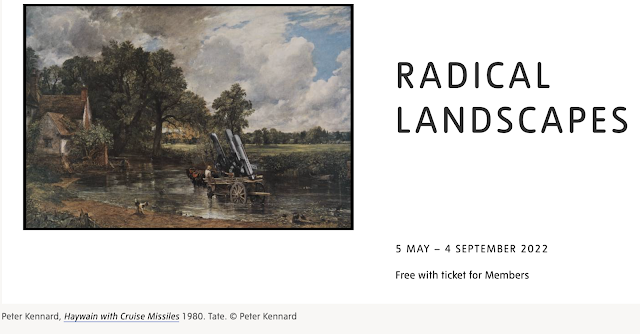

From the Tate Liverpool website:

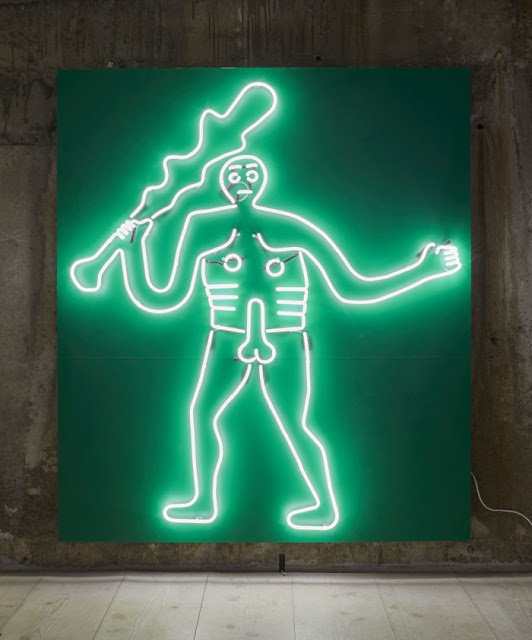
Radical Landscapes, a major exhibition exploring our connections to the rural landscapes of Britain. Featuring works such as Ruth Ewan’s Back to the Fields 2015, an installation of live plants, and Jeremy Deller’s green neon Cerne Abbas sculpture, this show expands on the traditional, picturesque portrayals of the landscape, presenting art that reflects the diversity of Britain’s landscape and communities.

Discover playful and political artworks which reveal untold histories from the last century and investigate themes such as trespass, land use and the climate emergency. Encounter over 150 works including key pieces such as Tacita Dean’s Majesty 2006, Oceans Apart 1989 by Ingrid Pollard and Anwar Jalal Shemza’s Apple Tree 1962.


Radical Landscapes presents rural spaces as sites of artistic inspiration and action, and a heartland for ideas of freedom, mysticism and rebellion. It explores how artists have reclaimed the landscape as a space to make art for everyone, as well as unearth how the countryside has been shaped by our values and use of the land. The show will also consider the human impact on the landscape and ecosystems, by featuring works that reflect on the climate and its impact on the landscape including Gustav Metzger’s dazzling Liquid Crystal Environment 1965/2005 and Yuri Pattison’s sun[set] provisioning 2019.

Comments

Popular posts from this blog

Ideal scenery

Check out this Robert MacFarlane tweet, and the replies that follow for a whole host of ideas on different people's ideal landscapes... Some wonderful images and brief descriptions ideal for sharing... "Tramlines and slagheaps, pieces of machinery, That was, and still is, my ideal scenery." WH Auden Question: what is your "ideal scenery"? pic.twitter.com/8QLS0HRZt9 — Robert Macfarlane (@RobGMacfarlane) July 6, 2017

Glacier Melt Visualisation

This nice interactive infographic visualises the ice loss from Switzerland's glaciers. It is one of several from the VisQuill site , developed by Dr. Benjamin Niedermann.

The path more travelled

I'm currently reading Nicholas Crane's new book on the history of Britain's footpaths: how they came about originally following the drowning of Doggerland , and were then refined by successive waves of change: horses, the Roman invasion etc. It's a dense and scholarly work, with plenty of points of interest and relevance to geographers exploring the connections between people and the landscape. He's taking his book on the road in a series of talks, with three confirmed so far. Here's the description for his talk at Stanford's book shop at the end of the month . He's also speaking in Exeter and Stamford. Walking is a cornerstone of British identity and the most popular form of exercise in the UK. But how much do we know about the paths that we walk? What is their history? Why do they follow the routes that they do? Are they permanent? Can we designate more of them?​ The Path More Travelled is a coast-to-coast history of footpaths from the stone age paths...